
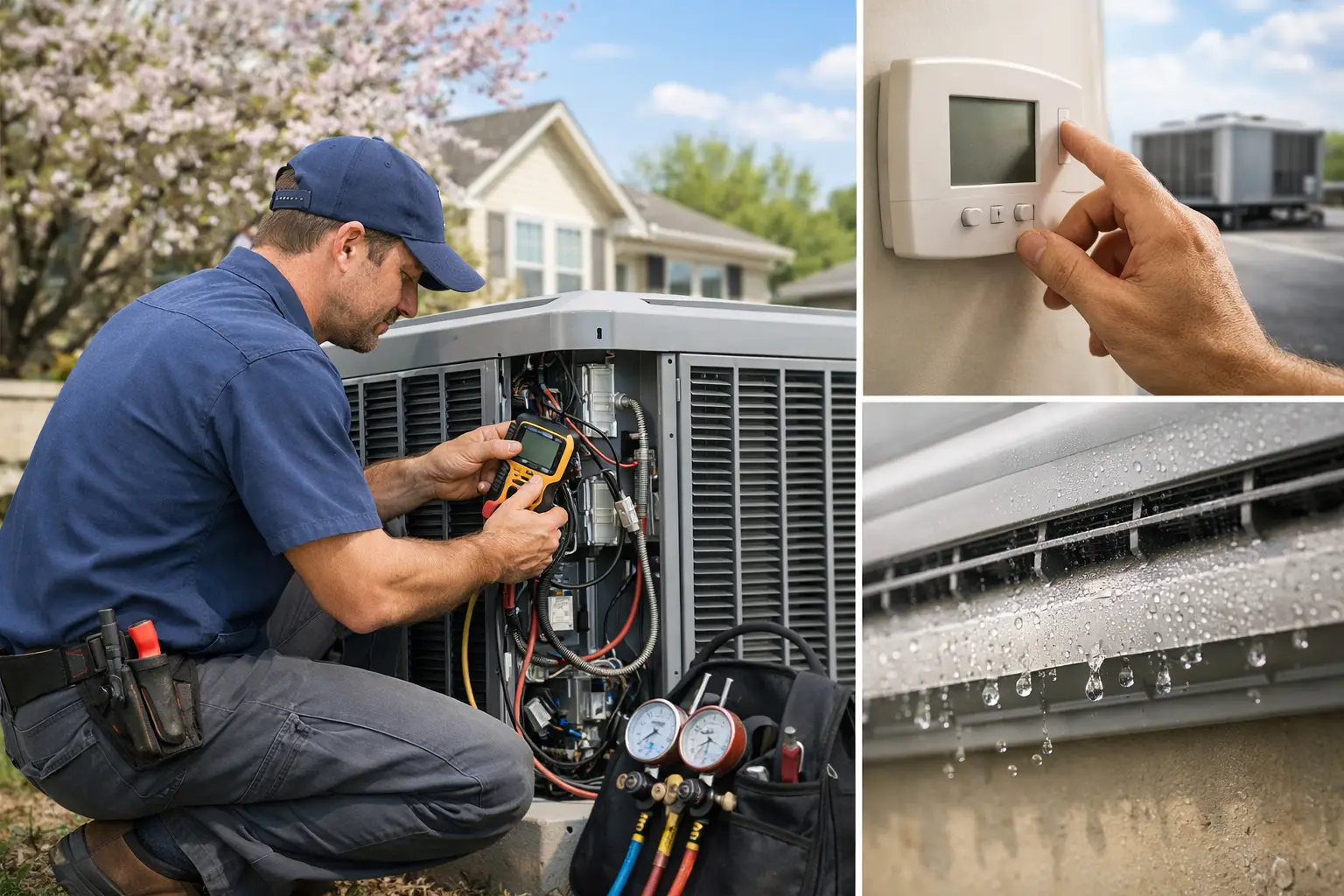
A struggling AC in Spring usually does not fail all at once. It starts with small warnings – longer run times, weak airflow, uneven temperatures, or a spike in your electric bill. If you are searching for ac repair spring tx, there is a good chance your system has already been telling you something is off. The key is acting before a minor issue turns into a hot, expensive breakdown.
In Southeast Texas, air conditioning is not a luxury for a few summer afternoons. It is a daily necessity for homes, offices, retail spaces, and rental properties. When a system starts falling behind, comfort drops fast, but so does efficiency. That means higher operating costs, more wear on equipment, and a greater chance of a complete shutdown when you need cooling most.
When AC repair in Spring TX should not wait
Some AC problems are obvious. If the system will not turn on, is blowing warm air, or is tripping the breaker, you already know service is needed. Other issues are easier to ignore, especially when the unit is still cooling a little. That is where many homeowners and property managers lose time and money.
If one room feels muggy while another feels cold, the problem may not be the thermostat alone. You could be dealing with restricted airflow, low refrigerant, duct leakage, or an aging blower component. If your outdoor unit is making buzzing, rattling, or grinding sounds, that usually points to a mechanical or electrical issue that should be diagnosed quickly. Strange odors can also matter. A musty smell may signal moisture buildup, while a burning smell can point to wiring or motor trouble.
Short cycling is another common red flag. That is when the system turns on and off too often without completing a full cooling cycle. It can happen because of thermostat problems, dirty coils, airflow restrictions, or an incorrectly sized system. Whatever the cause, short cycling increases wear and drives up energy use.
For commercial properties, the warning signs can be even more costly. A rooftop unit that cannot maintain consistent cooling can affect employee comfort, customer experience, and even inventory in some settings. Waiting too long to schedule service often turns a repair call into an emergency call.
The most common causes behind AC problems
Most repair calls come back to a short list of issues. Dirty filters are still one of the biggest ones. A clogged filter restricts airflow, makes the system work harder, and can eventually contribute to frozen coils or blower strain. It is simple, but it gets missed often.
Electrical problems are also common, especially during heavy-use months. Capacitors, contactors, relays, and wiring connections wear out over time. When that happens, the unit may struggle to start, run inconsistently, or stop working altogether. These parts are not expensive in every case, but ignoring them can lead to larger failures.
Refrigerant issues deserve careful attention. Low refrigerant is not something an AC naturally “uses up.” If levels are low, there is usually a leak somewhere in the system. Topping it off without finding the source may restore cooling for a short time, but it does not solve the real problem. A proper repair means identifying the leak, fixing it if practical, and then charging the system correctly.
Coils are another frequent trouble spot. Evaporator and condenser coils collect dirt over time, and that buildup reduces heat transfer. The result is lower efficiency, longer run times, and less reliable cooling. In some cases, coil cleaning is enough. In others, corrosion or damage makes replacement the better choice.
Then there is the age factor. If your system is 10 to 15 years old and needs repeated repairs, the issue may not be one failed part. It may be that multiple components are wearing out together. That does not always mean replacement is the only answer, but it does change the conversation.
Why fast diagnostics matter
A good AC repair visit is not just about replacing whatever part seems bad first. It starts with accurate diagnostics. That matters because several different problems can create the same symptom.
Warm air from the vents, for example, could be caused by low refrigerant, a failed capacitor, a dirty coil, a thermostat issue, or an airflow problem. If a technician skips the testing process and goes straight to a guess, the repair may not hold. Worse, you may end up paying for a part that was never the main issue.
This is where licensed and insured service makes a difference. A trained HVAC technician should be checking electrical readings, system pressures, temperature differentials, airflow conditions, and component performance before recommending the fix. Transparent pricing matters too. You should know what failed, why it matters, and what your options are before work begins.
For homeowners, that clarity removes a lot of stress from an already frustrating situation. For property managers and business owners, it helps with planning, budgeting, and protecting occupied spaces without unnecessary downtime.
Repair or replace? It depends on the system
Not every AC problem should lead to a replacement quote. In many cases, a targeted repair is the right call, especially if the equipment is relatively new and the rest of the system is in solid condition. Replacing a capacitor, fan motor, contactor, drain component, or thermostat can often restore reliable performance without a major investment.
That said, there are times when continuing to repair an older unit stops making financial sense. If the system has frequent breakdowns, poor efficiency, outdated refrigerant, or major component failure, replacement may offer a better long-term value. The right answer depends on repair cost, equipment age, operating history, and how well the current system has been meeting the building’s cooling demands.
In Spring, where AC systems work hard for long stretches, efficiency and reliability matter as much as the repair bill itself. A lower-cost repair today can still be the wrong choice if it leads to more calls, higher utility costs, and another breakdown in the near future.
How to reduce future AC repair calls in Spring TX
Preventive maintenance is not a sales extra. In this climate, it is one of the most practical ways to avoid surprise failures. Regular service helps catch worn electrical components, drainage problems, dirty coils, and airflow restrictions before they turn into a no-cooling situation.
For residential systems, seasonal maintenance usually includes inspecting the condenser, checking refrigerant levels and pressures, cleaning components as needed, testing electrical parts, clearing the drain line, and confirming thermostat operation. For commercial equipment, the process often goes further because rooftop units and larger systems have more operational demands and greater impact when they fail.
Filter changes also matter more than many people realize. A clean filter supports airflow, protects internal components, and helps the system cool more evenly. The right replacement schedule depends on the filter type, occupancy, indoor air conditions, and whether pets are in the building. There is no one-size-fits-all timeline.
It also helps to pay attention to the small changes. If the house starts feeling more humid than usual, if cooling takes longer in the afternoon, or if the system gets louder over time, those are useful clues. Early service is usually simpler service.
Choosing an AC repair company without the guesswork
When you need service quickly, it is easy to focus on who can get there first. Response time matters, especially during peak heat, but it should not be the only factor. You also want a company that can clearly explain the issue, provide honest recommendations, and handle both immediate repairs and longer-term HVAC needs if the situation changes.
That is especially important for customers who manage more than one property or run a business. You may need a contractor who can repair a failing unit today, maintain equipment across seasons, and advise on future replacement planning without making the process harder than it needs to be.
BluePeak 360 serves both residential and commercial customers with that kind of practical, responsive approach. Fast service matters, but so does doing the job right, communicating clearly, and protecting system performance after the repair is complete.
If your AC is showing signs of trouble, waiting for a total failure rarely saves money. A quick diagnosis today can protect comfort, prevent damage, and give you better options while the problem is still manageable. When your system starts telling you something is wrong, it is worth listening before the Texas heat makes the decision for you.