
When your AC is running day after day through a Texas summer, small maintenance issues do not stay small for long. If you want to know how to extend air conditioner lifespan, the answer is not one big fix. It comes down to consistent habits that reduce strain, catch wear early, and keep the system operating the way it was designed to.
For homeowners, that means fewer breakdowns during the hottest weeks of the year. For property managers and commercial building operators, it means better tenant comfort, less downtime, and fewer surprise replacement costs. A well-maintained system can last years longer than a neglected one, but only if the basics are handled on time.
How to Extend Air Conditioner Lifespan Starts With Airflow
The fastest way to shorten the life of an air conditioner is to make it work harder than necessary. Restricted airflow forces the system to run longer cycles, raises operating temperatures, and puts extra pressure on components like the blower motor and compressor.
The air filter is the first place to look. A clogged filter reduces airflow across the indoor coil, which can lead to poor cooling, frozen evaporator coils, and rising energy use. In a typical home, checking the filter every month is a smart routine, especially during peak cooling season. Some filters can last longer, but that depends on filter type, indoor air quality, pets, occupancy, and how often the system runs.
Commercial systems have the same issue on a larger scale. A rooftop unit with dirty filters or blocked return airflow can lose efficiency quickly, and the strain adds up across longer operating hours. If a building has higher dust levels, frequent door openings, or active tenant traffic, filter replacement may need to happen more often than expected.
Supply vents and return grilles matter too. Closing vents in unused rooms may seem like a way to save money, but it can disrupt system balance and increase static pressure. Furniture, boxes, and drapes blocking registers create the same problem. Good airflow is not glamorous, but it protects the entire system.
Keep the Outdoor Unit Clean and Clear
Your condenser unit needs room to breathe. When grass, leaves, weeds, or debris build up around it, heat transfer suffers. That means the system has to run hotter and longer to cool the same space.
A simple habit helps here: keep at least a couple of feet of clearance around the outdoor unit and gently remove debris from the fins and cabinet. If you are rinsing the coil with a hose, use light pressure. High-pressure washing can bend fins and cause more harm than good.
Landscaping is another factor that gets overlooked. Shrubs may look tidy around a condenser, but if they restrict airflow, they are costing you performance. In Magnolia, Houston, and surrounding areas, pollen, cottonwood, grass clippings, and storm debris can build up fast, so outdoor inspection should be part of routine property care.
Maintenance Is Cheaper Than Premature Replacement
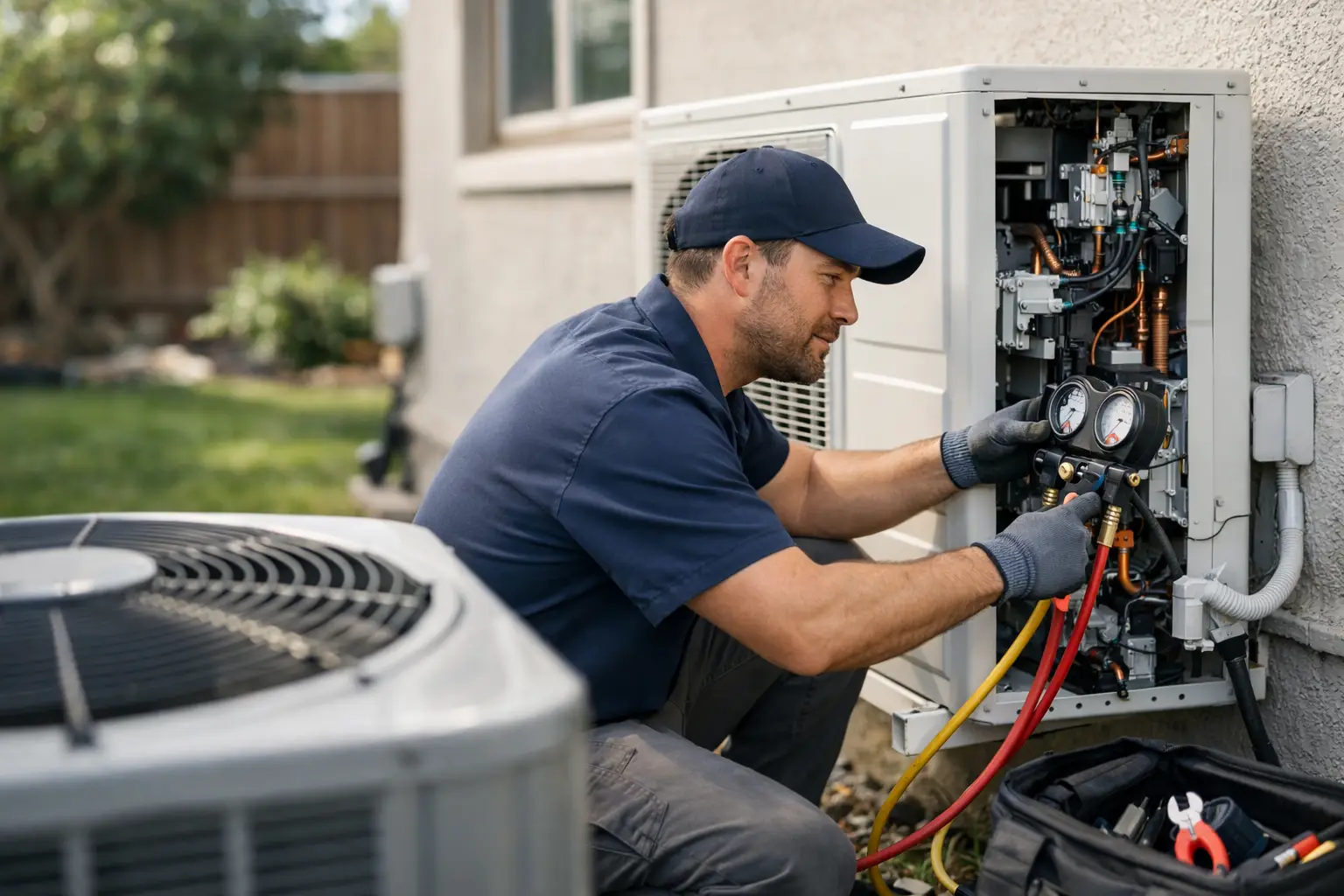
If there is one answer to how to extend air conditioner lifespan that applies almost everywhere, it is scheduled professional maintenance. Air conditioners do not usually fail without warning. More often, they decline in small ways first – weak electrical connections, low refrigerant from a developing leak, dirty coils, worn capacitors, drainage issues, and blower problems.
Routine service catches those problems before they lead to compressor damage or complete system failure. It also keeps the unit operating closer to manufacturer specifications, which supports both efficiency and equipment longevity.
For residential systems, annual maintenance is the minimum. In heavy-use climates, two visits per year often make more sense. For commercial equipment, maintenance schedules should reflect runtime, occupancy demands, and equipment type. A small office and a busy retail property do not put the same wear on a system.
Professional service should include more than a quick visual check. A real maintenance visit involves inspecting electrical components, checking refrigerant performance, cleaning coils as needed, clearing drains, testing controls, measuring airflow, and identifying wear before it becomes expensive.
Smart Thermostat Habits Reduce Wear
Many people assume the lowest thermostat setting cools the building faster. It does not. It only tells the system to keep running until that temperature is reached, which can lead to unnecessarily long cycles and extra wear.
A better approach is consistent, realistic settings. Keeping the thermostat at a stable temperature helps avoid extreme run times. Programmable and smart thermostats can also reduce strain by adjusting temperatures when the home or building is unoccupied, then returning to comfort settings before people come back.
That said, there is a trade-off. If temperature setbacks are too aggressive during the day, the system may have to work very hard to recover in the late afternoon heat. In some homes and commercial spaces, smaller adjustments are better than large ones. It depends on insulation, building size, sun exposure, and the condition of the HVAC system.
Thermostat placement matters as well. If the thermostat is near a sunny window, kitchen heat, or a drafty spot, it may misread the indoor temperature and cause unnecessary cycling.
Protect the System From Drainage and Moisture Problems
Air conditioners remove humidity as they cool, and that moisture has to drain properly. When the condensate line clogs, water can back up into the drain pan, trigger float switches, damage surrounding materials, or shut the system down.
A blocked drain line may not sound like a major threat to system lifespan, but repeated moisture issues can lead to corrosion, mold concerns, and service interruptions. In humid regions, drain line inspection should be part of every maintenance plan.
If you notice water near the indoor unit, musty odors, or the AC shutting off unexpectedly, do not wait. Those are signs that the system may be dealing with a drainage problem that needs attention.
Pay Attention to Early Warning Signs
One of the most expensive mistakes property owners make is waiting too long to call for service. Air conditioners rarely go from perfect to broken overnight. They usually give clues first.
Short cycling, warm air, weak airflow, rising humidity, unusual noises, tripped breakers, and higher utility bills all point to a system working harder than it should. Even if cooling performance still seems acceptable, those symptoms often signal internal stress.
This is especially important for commercial clients. A rooftop unit serving a business may continue operating while gradually losing capacity, but that does not mean it is healthy. By the time comfort complaints become obvious, the repair may be larger and more disruptive.
Fast response matters here. Addressing a failing capacitor or contactor is one thing. Replacing a burned-out compressor because the system ran under strain for weeks is another.
Your Ductwork and Insulation Affect Lifespan Too
Not every air conditioning problem starts at the equipment. Leaky ducts, poor insulation, and building envelope issues can force the AC to run longer than necessary.
If conditioned air is escaping into an attic or crawl space, the system has to keep running to make up the loss. If a commercial space has hot spots from poor duct design or insulation gaps, the thermostat may call for cooling longer than it should. Over time, that extra runtime increases wear on moving parts and electrical components.
This is where a bigger-picture inspection helps. Sometimes the best way to extend system life is not replacing the AC at all. It is correcting the conditions that are overworking it.
Age Matters, but Condition Matters More
Every air conditioner has a service life, and older systems naturally become more vulnerable to breakdowns. But age alone does not tell the whole story. A 10-year-old system that has been maintained properly may have more useful life left than a 6-year-old system that has been neglected.
What matters is overall condition, repair history, refrigerant type, efficiency loss, and the cost of keeping it running. If your system needs frequent repairs, struggles to keep up, or operates with outdated components, investing in replacement may be smarter than trying to stretch every last season out of it.
That does not mean replacing early is always the right call. Sometimes a targeted repair and a solid maintenance plan are enough to restore dependable performance. A trusted HVAC technician should be willing to explain both sides clearly, including what is urgent, what can wait, and where your money is best spent.
For customers who want dependable cooling year after year, BluePeak 360 approaches system life the same way it approaches service calls – find the real issue, explain the options, and fix the problem the right way.
The best way to get more years from your AC is to treat it like essential equipment, not something to ignore until it stops. A clean filter, clear airflow, routine inspections, and quick attention to warning signs can add up to a longer-lasting system and a lot less stress when the heat is at its worst.