
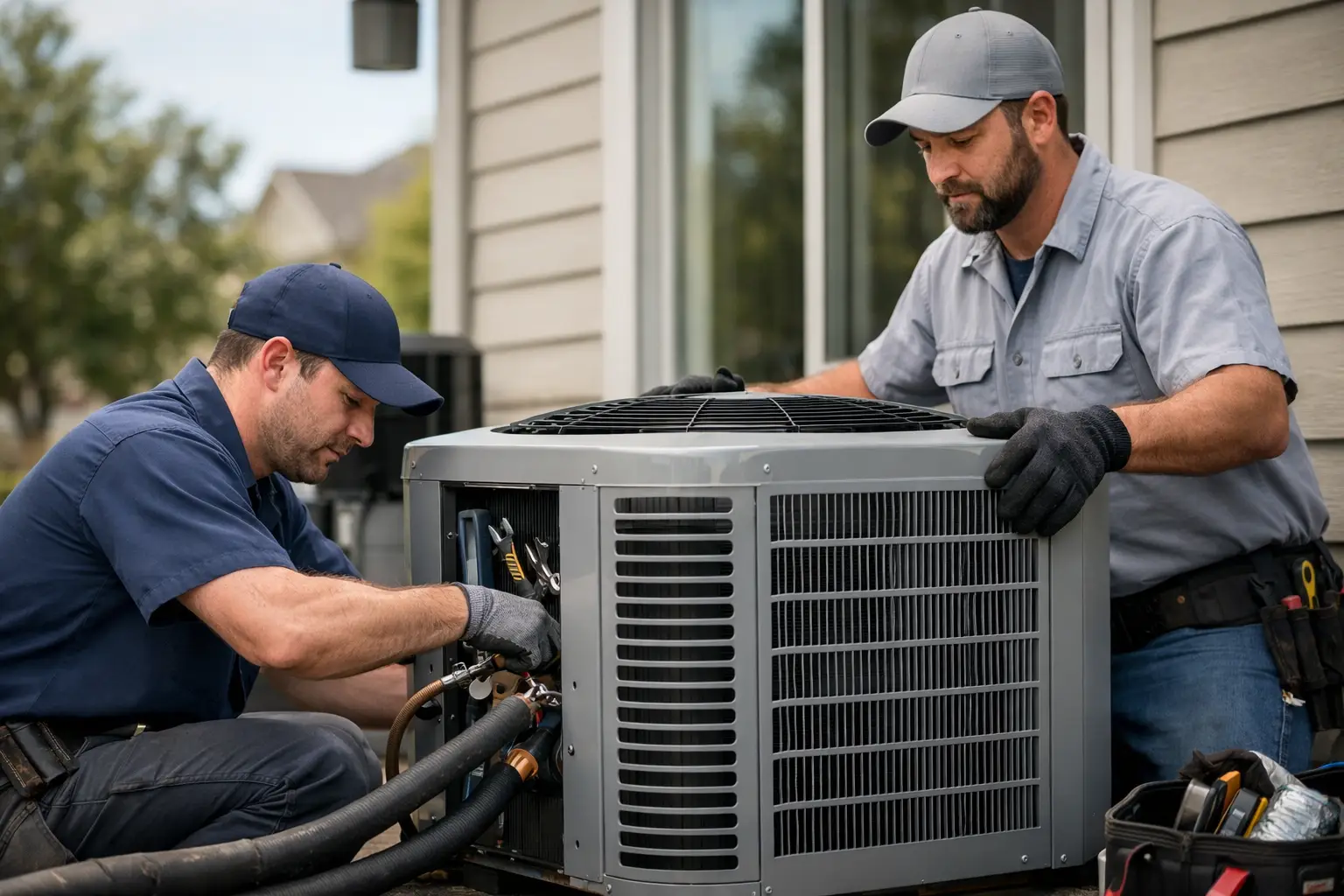
If your cooling bills spike every summer or certain rooms never seem to catch up, high efficiency air conditioner installation is usually about more than swapping one unit for another. In Texas heat, the difference between a system that looks good on paper and one that performs day after day comes down to sizing, airflow, duct condition, and installation quality.
A lot of property owners focus on SEER2 ratings first, and that makes sense. Higher efficiency equipment can reduce energy use and improve comfort. But efficiency is not a sticker. It is the result of how the entire system is selected, installed, charged, tested, and matched to the building.
What high efficiency really means
A high efficiency air conditioner uses less electricity to deliver the same amount of cooling as an older or lower-rated system. That usually means better compressor technology, improved coil design, stronger humidity control, and smarter controls. In many cases, it also means quieter operation and more consistent indoor temperatures.
For homeowners, that can translate to lower monthly utility costs and fewer hot spots. For commercial properties, it can help stabilize operating expenses and reduce strain during peak summer demand. But the higher the equipment performance, the less room there is for installation shortcuts.
If the refrigerant charge is off, duct leakage is ignored, or return airflow is restricted, a premium system can perform like a basic one. That is why installation matters as much as the equipment itself.
Why installation quality affects efficiency
The best system in the world cannot overcome poor workmanship. An oversized air conditioner may cool the space quickly, but it often shuts off too soon, which can leave humidity behind and create uneven comfort. An undersized unit may run constantly, struggle during extreme heat, and wear down faster.
A proper installation starts with load calculations rather than guesswork. Square footage matters, but it is only part of the picture. Insulation levels, window exposure, ceiling height, occupancy, duct layout, and air leakage all affect the cooling load.
The next piece is system matching. The outdoor unit, indoor coil, blower, and thermostat should work together as designed. A mismatch can cut into efficiency, shorten equipment life, or create performance issues that are hard to trace later.
Then there is airflow. Many comfort complaints come from duct problems, not just the condenser outside. If supply ducts leak into an attic or return ducts pull in hot, dusty air, the new system has to work harder than it should. That raises energy use and reduces the benefit of a high-efficiency upgrade.
High efficiency air conditioner installation for homes
For residential properties, the biggest question is usually whether the energy savings justify the upfront cost. The answer depends on the age of the current system, how long you plan to stay in the home, local utility rates, and how much your comfort has been suffering.
If your existing unit is older, needs frequent repairs, or uses outdated refrigerant, replacement often makes sense sooner rather than later. A well-installed high-efficiency system can improve temperature consistency, reduce indoor humidity, and make the house feel better even at a slightly higher thermostat setting.
Variable-speed and two-stage systems are especially helpful in homes that deal with uneven temperatures or sticky indoor air. They do not just blast cold air at full power and shut off. They adjust output more gradually, which helps maintain comfort and improve moisture removal. That said, these systems usually cost more upfront and need proper setup to deliver the expected results.
For some homes, a simpler single-stage high-efficiency unit is still the right choice. If the duct system is solid, the home is straightforward to cool, and the budget is tight, a simpler setup may offer the best value. The right answer is not always the most expensive equipment.
What commercial clients should pay attention to
Commercial high efficiency air conditioner installation has a different set of concerns. Energy cost matters, but so do uptime, zoning, equipment access, and the effect on employees, customers, and tenants.
A retail space, office suite, warehouse office, and light industrial building all use cooling differently. Occupancy patterns, lighting loads, server rooms, rooftop configurations, and business hours should shape the system design. An efficient commercial installation should support operations, not just meet a tonnage target.
Rooftop units are common in many commercial buildings, and high-efficiency options can make a real difference over time. Still, the supporting details matter. Curb condition, duct connections, economizer performance, thermostat placement, and service access all affect long-term value. A unit that is hard to maintain or improperly commissioned can turn into an expensive problem, even if the equipment itself is excellent.
Property managers should also think past the installation date. Preventive maintenance, filter access, and clear service records matter because commercial comfort problems rarely stay small. They become tenant complaints, productivity issues, or emergency calls.
How to know if your building is ready for an upgrade
Not every comfort issue means you need a full replacement. Sometimes a repair, airflow correction, or thermostat update is enough. But there are clear signs that it is time to look seriously at a new system.
If your air conditioner struggles in the afternoon, needs repair after repair, cycles constantly, or leaves some areas warm and humid, the current setup may be undersized, worn out, or poorly matched to the property. Rising utility bills without a major change in usage can also point to declining system efficiency.
Age matters too. Once a system gets into the later part of its service life, major repairs become harder to justify. That is especially true if the equipment was never delivering strong comfort to begin with. Replacing a failing system with a properly designed high-efficiency option can prevent emergency downtime and give you more control over your costs.
In Magnolia and across the greater Houston area, summer conditions put HVAC systems under real pressure. Long run times, humidity, and heat make weak installations show up fast. That is why it helps to evaluate the whole system, not just the outdoor unit.
What to expect during the installation process
A professional installation should begin with an on-site assessment, not a quick quote based only on square footage. The contractor should evaluate load requirements, inspect ductwork, check electrical capacity, review drainage, and discuss how the building is actually used.
From there, equipment recommendations should be specific and explained clearly. You should know what efficiency level is being proposed, what features are included, and where the return on investment is likely to come from. Transparent pricing matters here because it helps you compare real scope, not just bottom-line numbers.
On installation day, the work should include more than setting new equipment in place. Proper line set evaluation, refrigerant charging, airflow testing, condensate management, thermostat setup, and startup verification all matter. The final result should be a system that has been commissioned to perform, not just turned on.
A reliable contractor will also walk you through filter replacement, thermostat operation, maintenance needs, and what to watch for during the first few weeks of use. That kind of follow-through helps protect the investment.
Choosing the right installer matters as much as the equipment
When comparing quotes, it is easy to focus on brand names and efficiency ratings. Those matter, but credentials, experience, and responsiveness matter too. You want a licensed and insured HVAC company that can explain the job clearly, stand behind the installation, and respond if something needs adjustment.
Fast service is especially valuable when a replacement is happening during peak cooling season. So is honest guidance. A trustworthy contractor will tell you when a lower-cost option makes sense and when spending more will produce a real benefit. That practical approach is part of doing the job right.
BluePeak 360 works with homeowners and commercial clients who need that balance of technical expertise, clear pricing, and dependable service. Whether the project is a home replacement or a commercial system upgrade, the goal is the same: install equipment that performs reliably when the heat is at its worst.
A high-efficiency AC should do more than lower a utility bill. It should make the building easier to live in, easier to work in, and less stressful to maintain.