
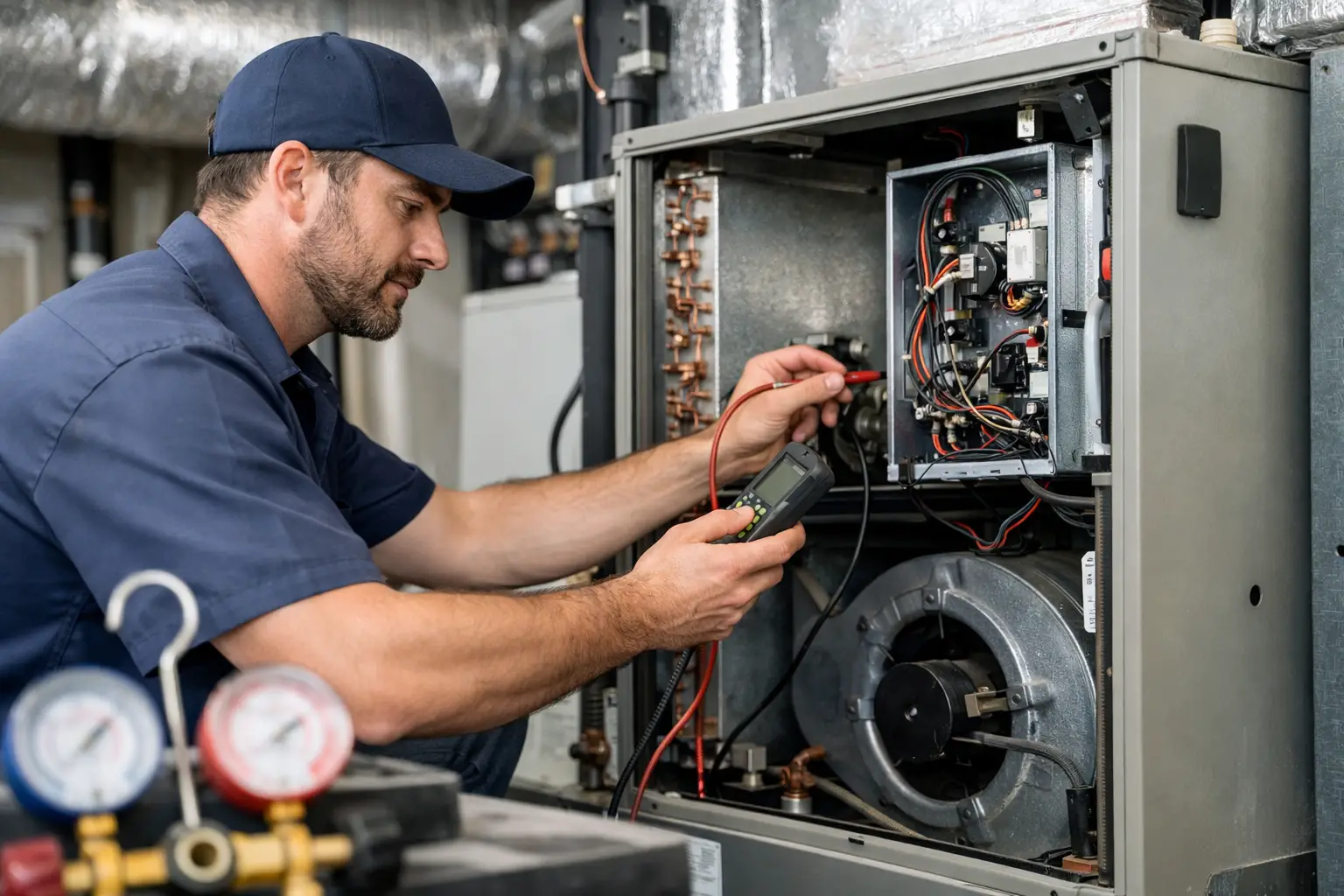
When your system is running but the airflow feels weak, uneven, or suddenly noisy, the problem may not be the outdoor unit at all. Many people search for air handler repair near me after certain rooms stop cooling, the unit starts rattling, or the blower keeps cycling at the wrong times. That search usually starts with discomfort, but it should end with a clear diagnosis and a repair that actually lasts.
The air handler is the indoor part of your HVAC system that moves conditioned air through your home or building. It contains critical components like the blower motor, evaporator coil, control board, filter, and electrical connections. When one of those parts fails, comfort drops fast, and in Texas heat, that can turn into an urgent call.
What an air handler does and why it matters
Your air handler is responsible for circulating cooled or heated air through the ductwork. If it is not operating properly, the rest of the system cannot perform the way it should, even if the thermostat and outdoor condenser appear to be working. That is why air handler issues often feel confusing at first. You may still hear the system running, but the comfort level inside tells a different story.
In a residential system, air handler problems often show up as low airflow, warm air during a cooling cycle, high humidity, or unusual noises from the indoor unit. In a commercial setting, the same issue can affect employee comfort, tenant satisfaction, and day-to-day operations. Either way, delays tend to make the repair more expensive, especially if a strain issue leads to failure in other components.
Signs you need air handler repair near me
Some warning signs are obvious, while others build gradually. Weak airflow is one of the most common. If the vents are open and the thermostat is set correctly, but the air coming out feels faint, the blower assembly or filter may be part of the problem.
Noise is another strong indicator. A buzzing sound can point to electrical trouble. Squealing may suggest a worn motor bearing or belt issue in certain systems. Rattling can mean loose hardware or debris inside the cabinet. A clicking sound that repeats without a normal startup cycle may be tied to relays, controls, or thermostat communication.
Water around the indoor unit also matters. Some homeowners assume a small leak is minor, but standing water near the air handler can signal a clogged condensate drain, frozen evaporator coil, or airflow restriction. If the unit keeps running in that condition, damage can spread beyond the HVAC equipment.
Then there is the issue of inconsistent temperatures. If one room feels cool and another stays warm, the problem could be duct-related, but it can also come from reduced blower performance. An air handler that is struggling to move air cannot deliver balanced comfort, no matter how low you set the thermostat.
Common causes behind air handler problems
A dirty filter is the simplest issue, but not the only one. Restricted airflow forces the system to work harder, and over time that stress can affect the blower motor and evaporator coil. In some cases, a neglected filter can contribute to coil freezing, which blocks airflow even more.
Blower motor failure is another frequent repair. Motors can wear out from age, electrical problems, overheating, or heavy seasonal demand. Sometimes the motor itself is still functional, but the capacitor has failed, preventing proper startup. A professional diagnosis matters here because replacing the wrong part wastes time and money.
Control board and wiring issues are also common, especially in systems that have experienced power surges, moisture exposure, or previous low-quality repairs. These problems can create symptoms that look unrelated at first, such as short cycling, no response from the thermostat, or intermittent fan operation.
Evaporator coil issues can complicate the picture. If the coil is dirty or leaking refrigerant, the air handler may still move air, but cooling performance drops. That is one reason professional HVAC service should look at the full system instead of treating the symptom alone.
What to expect from a professional repair visit
A quality service call should start with diagnosis, not guessing. The technician should inspect the air handler, check airflow, test electrical components, review thermostat communication, and examine related system performance. If the problem is tied to drainage, freezing, or refrigerant conditions, that should be identified before any repair is recommended.
Transparent pricing matters here. A reputable HVAC company should explain what failed, why it matters, and whether repair or replacement makes more sense. Not every air handler problem requires major work. Sometimes the fix is straightforward. In other cases, especially with older systems or repeated breakdowns, replacement may be the smarter long-term decision.
For homeowners and property managers, speed matters too. If the system is down during peak summer heat, a delayed response can affect comfort quickly. In commercial settings, poor airflow or rising indoor temperatures can affect staff, customers, and equipment. Emergency availability is not just a convenience in those situations. It is part of protecting the property.
Repair or replace? It depends on the system
This is where honest guidance matters most. If the air handler has a single failed part and the rest of the system is in solid condition, repair is usually the right move. That is especially true when the equipment is newer and has been maintained regularly.
But there are trade-offs. If the system is older, inefficient, or has had multiple recent repairs, putting more money into the air handler may not be the best investment. A failing blower motor, damaged coil, and aging controls can add up quickly. At that point, system replacement may offer better reliability, lower utility costs, and fewer service interruptions.
The right decision depends on equipment age, repair history, energy use, and how long you plan to keep the property. A trusted HVAC contractor should walk through those factors clearly instead of pushing one option every time.
How local service helps when time matters
When people search for air handler repair near me, they are usually not looking for general information. They need someone nearby who can respond quickly, diagnose the issue correctly, and fix it without adding confusion to an already frustrating problem.
That local advantage matters more than many people realize. A contractor serving Magnolia, The Woodlands, Spring, Tomball, Conroe, and Houston understands the climate demands on HVAC systems in this area. Long cooling seasons, high humidity, and heavy system use all affect how air handlers wear down over time. Local experience helps technicians spot patterns faster and recommend solutions that make sense for this region.
BluePeak 360 is built around that kind of responsive service – licensed and insured work, clear communication, and repairs that prioritize long-term performance instead of quick patch jobs.
How to reduce the chance of another breakdown
Preventive maintenance is the most practical way to avoid repeat air handler issues. That does not guarantee a part will never fail, but it gives technicians the chance to catch strain, dirt buildup, weak electrical components, and drainage problems before they turn into a no-cooling call.
Regular filter changes are still one of the simplest ways to protect the system. Beyond that, seasonal inspections can verify blower performance, coil condition, thermostat operation, and condensate drainage. For commercial properties, maintenance is even more important because system downtime can affect more people and create higher operating costs.
If you have already had one air handler repair, it is worth asking whether anything caused the failure to happen early. Sometimes the failed part is the real issue. Sometimes it is a symptom of poor airflow, neglected maintenance, or system imbalance. That distinction matters if you want the next repair to last.
Choosing the right HVAC company for air handler repairs
Not every HVAC company approaches diagnostics the same way. If you are comparing providers, look for licensed and insured service, clear repair recommendations, and pricing that is explained before work begins. Fast response is important, but so is technical accuracy.
It also helps to work with a company that handles both repair and full system evaluation. If your air handler issue turns out to involve the coil, thermostat, duct performance, or overall equipment age, you want a contractor who can address the bigger picture without handing you off to someone else.
For homeowners, that means less stress and fewer repeat visits. For commercial clients, it means better continuity and a clearer plan for maintaining comfort across the property.
If your indoor unit is making noise, leaking, pushing weak airflow, or failing to keep up, do not wait for the problem to sort itself out. Air handler issues rarely improve on their own, and the best time to address them is before a strained component takes down the rest of the system.