
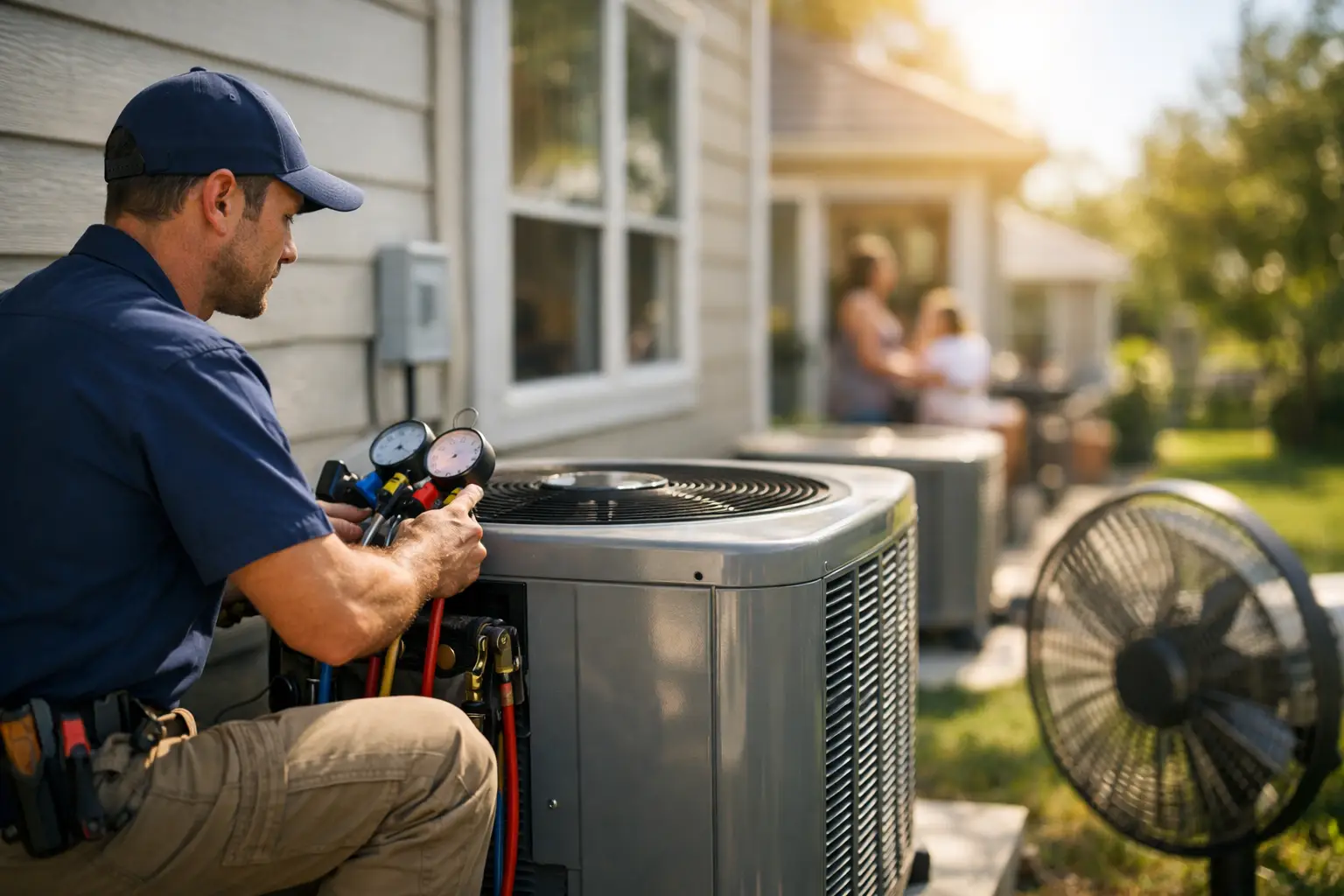
The moment your AC starts running all afternoon and your electric bill jumps, the question gets very simple: how to reduce cooling bills without making your home or building uncomfortable. In Southeast Texas, that balance matters. Long cooling seasons, high humidity, and hard-working systems can turn small inefficiencies into expensive monthly costs fast.
The good news is that lower cooling bills usually do not come from one dramatic fix. They come from a few smart adjustments that help your system run less often, cool more evenly, and avoid wasting energy. Some are easy habits. Others involve equipment, airflow, or maintenance issues that need a closer look.
How to reduce cooling bills starts with runtime
If you want to cut costs, focus first on what makes your AC run longer than necessary. Every extra cycle adds up. That means your bill is not only tied to outdoor temperature. It is also driven by thermostat settings, insulation, duct leakage, dirty components, poor airflow, and the age or condition of the system itself.
Many homeowners assume high bills mean they need a new unit right away. Sometimes that is true, especially if the system is older, frequently repaired, or struggling to keep up. But just as often, the real problem is that the equipment you already have is being forced to work harder than it should.
For commercial properties, the same principle applies. A rooftop unit with clogged coils, bad scheduling, or neglected maintenance can waste a surprising amount of energy. The larger the building, the more expensive that waste becomes.
Set the thermostat with strategy, not guesswork
Thermostat settings are one of the fastest ways to control cooling costs, but the best setting depends on occupancy, building layout, and comfort needs. For most homes, raising the temperature a few degrees when no one is there can lower energy use without creating a major comfort problem. The mistake is dropping the thermostat very low when people return, hoping the house will cool faster. It will not. It only keeps the system running longer.
A programmable or smart thermostat can help if it is used correctly. Good scheduling should match your real routine, not an idealized one. If your family is home during the day, aggressive setbacks may not help much. If the house is empty for eight to ten hours, they often do.
In commercial spaces, scheduling is even more important. Offices, retail spaces, and tenant buildings should not cool empty areas at full capacity overnight unless equipment or process loads require it. Zoning and occupancy-based control can make a noticeable difference when used properly.
Air filters and airflow matter more than most people think
A clogged air filter restricts airflow, and restricted airflow makes the AC work harder. That sounds minor, but it can affect comfort, efficiency, and system wear all at once. If certain rooms stay warm, the unit runs constantly, or airflow feels weak, the filter should be one of the first things you check.
Filter changes are simple, but they are not one-size-fits-all. Homes with pets, construction dust, or higher occupancy may need more frequent replacement. Commercial buildings can have even greater demands depending on the use of the space. A filter that stays in too long can increase operating cost before it causes an obvious comfort issue.
Airflow problems are not always about the filter, though. Closed vents, blocked returns, dirty blower components, or duct issues can also limit performance. If the system seems to run nonstop but cooling remains uneven, the real issue may be hidden in the air distribution side of the system.
Seal the house before blaming the AC
One of the most overlooked answers to how to reduce cooling bills is to stop cooled air from escaping in the first place. If your home leaks air around doors, windows, attic penetrations, or recessed fixtures, your AC is paying to cool air that does not stay inside.
Insulation also plays a bigger role in Texas than many people realize. Poor attic insulation or heat gain through the roof can force long cooling cycles during the hottest part of the day. Even a well-maintained AC system will struggle if the building envelope is working against it.
This is where trade-offs come in. If you have an older system and weak insulation, replacing the AC alone may improve comfort, but you may still miss some of the savings you expected. In many cases, sealing leaks and improving insulation first or at the same time creates a better long-term result.
Maintenance is cheaper than wasted energy
When an AC system is dirty or out of adjustment, efficiency drops. Condenser coils collect debris, drain lines clog, refrigerant issues develop, electrical components wear down, and motors begin working harder to do the same job. Sometimes the system still cools, but it does so less efficiently and at a higher cost.
Routine maintenance helps catch those issues before they turn into bigger repairs or rising utility bills. That includes checking refrigerant charge, cleaning coils, inspecting electrical components, confirming safe operation, and making sure the system is actually performing the way it should.
For homeowners, preventive service is often the difference between a unit that survives summer and one that fails on the hottest weekend of the year. For commercial buildings, maintenance has an added business value. It helps avoid comfort complaints, downtime, and emergency service interruptions that affect staff, tenants, or customers.
Ductwork can quietly drive up your cooling costs
Leaky ducts waste conditioned air before it reaches the rooms you are trying to cool. In attics or unconditioned spaces, that energy loss can be substantial. You may end up lowering the thermostat more and more, not because the AC is undersized, but because the cooled air is not getting where it needs to go.
Duct design matters too. Some buildings have airflow imbalances that leave one area too warm and another too cold. That usually leads to thermostat battles and longer runtimes. If your upstairs never cools properly, your back offices stay hot, or your system sounds fine but comfort is inconsistent, duct issues should be part of the conversation.
This is one reason high bills can be misleading. The equipment may not be the only problem, and replacing it without addressing duct leakage or design can leave money on the table.
When older equipment stops being cost-effective
There is a point where repairs and high energy use stop making sense. If your AC is older, needs frequent service, uses outdated refrigerant, or struggles through peak summer heat, a high-efficiency replacement may lower both operating cost and the risk of breakdowns.
That said, newer equipment is not automatically the right answer for every property. If the current system is structurally sound and the main issues are maintenance, controls, or insulation, those improvements may deliver a better return first. Proper sizing matters just as much as efficiency ratings. An oversized system can short cycle, reduce humidity control, and create comfort problems even if the label looks impressive.
For homes and businesses in Magnolia, The Woodlands, Spring, Tomball, Conroe, and the greater Houston area, humidity control is part of the equation. A system that cools fast but does not remove moisture well can leave the space feeling clammy, which often leads people to turn the thermostat lower than necessary.
Small habits that support lower bills
Some cost-saving changes are not technical, but they still help. Ceiling fans can make occupied rooms feel cooler, allowing a slightly higher thermostat setting. Window coverings reduce solar heat gain during the hottest part of the day. Avoiding heat-producing appliances during peak afternoon hours can also reduce the load on your AC.
These steps will not fix a mechanical problem, but they can support a well-functioning system. Think of them as ways to reduce strain, not replace real HVAC performance.
Know when the bill is telling you something
If your cooling costs rise suddenly without a major weather change, pay attention. That kind of jump often points to a problem worth diagnosing. Dirty coils, low refrigerant, failing capacitors, duct leaks, thermostat issues, or declining compressor performance can all show up first as a higher bill.
The earlier those problems are addressed, the better. Waiting usually means paying more twice – once on the utility bill and again when a neglected issue becomes a larger repair. A professional inspection can tell you whether the answer is maintenance, repair, airflow correction, or replacement. For a local company like BluePeak 360, that kind of practical guidance is where real savings usually begin.
Lower cooling bills are rarely about sacrificing comfort. They come from a system that is clean, properly controlled, correctly sized, and not fighting avoidable heat gain or airflow loss. If your AC seems to run harder every summer, that is not something to ignore. It is usually a sign that a few targeted fixes could make your space more comfortable and your monthly costs easier to live with.