
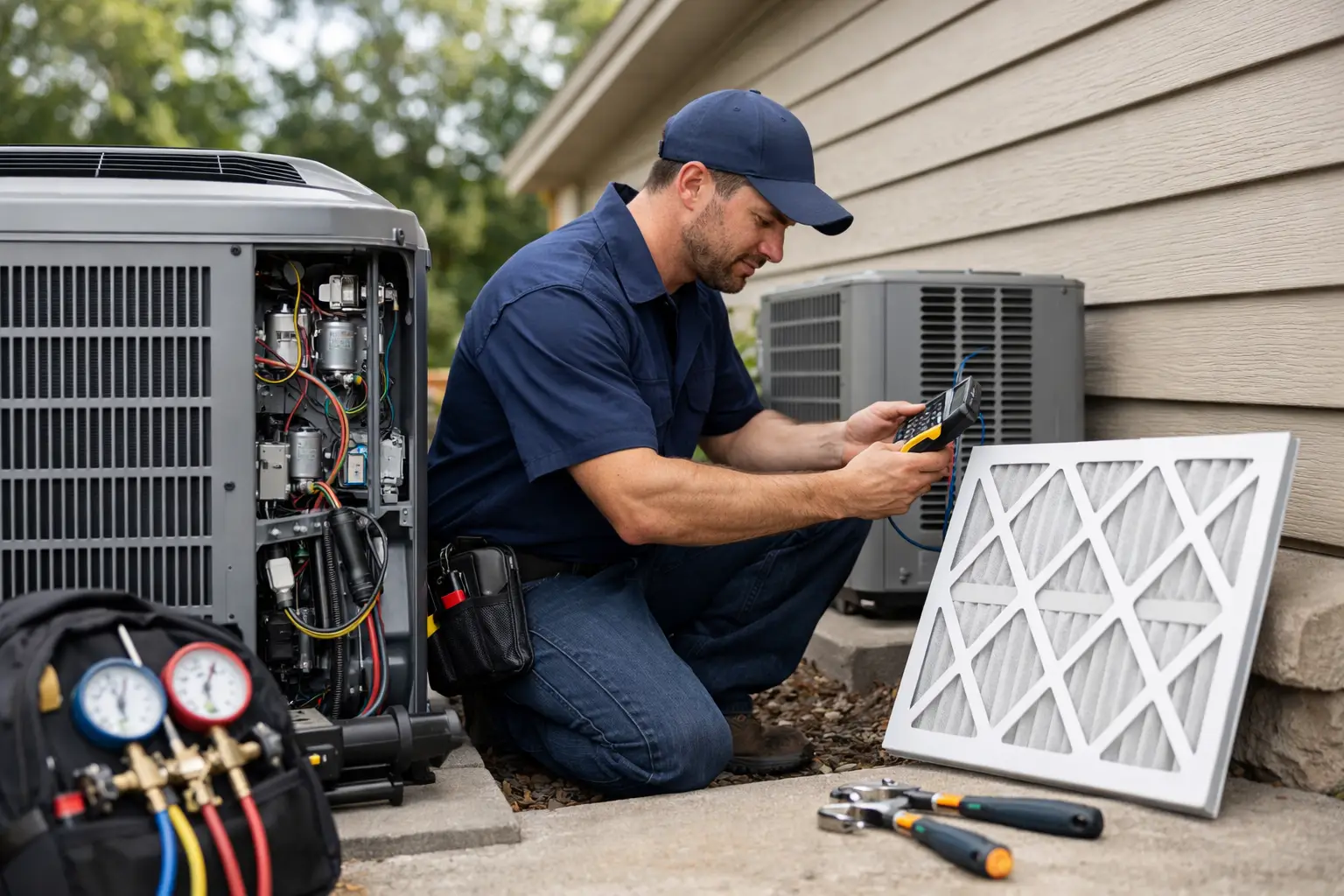
Texas homeowners usually learn the value of maintenance on the hottest day of the year. The AC starts blowing warm air, the house gets uncomfortable fast, and a problem that might have been minor turns into an urgent repair. That is exactly why an hvac maintenance plan for homeowners makes sense. It is not just about tune-ups. It is about fewer surprises, better system performance, and a clearer path to protecting one of the most important systems in your home.
For homes in Magnolia, The Woodlands, Spring, Tomball, Conroe, Houston, and nearby areas, HVAC systems work hard for long stretches of the year. Long cooling seasons, heavy humidity, and sudden weather swings all add strain. A good maintenance plan helps keep that strain from turning into costly breakdowns.
What an HVAC maintenance plan for homeowners should actually include
Not every maintenance plan offers the same value. Some are little more than a reminder service. Others include a full seasonal inspection, performance testing, cleaning, and priority support when something goes wrong. Homeowners should know the difference.
A solid plan usually includes at least two service visits per year, one focused on cooling and one on heating. During those visits, a licensed technician should inspect major components, test system operation, check refrigerant levels when applicable, examine electrical connections, clean critical parts, measure airflow, and look for wear before it causes failure.
That last part matters. Maintenance is not just cleaning. It is early detection. A weak capacitor, loose wire, clogged drain line, dirty evaporator coil, or blower issue may not stop your system today, but it can create higher utility bills, poor comfort, or a no-cool call later.
Why maintenance plans matter more in hot, humid climates
In Southeast Texas, cooling systems do not get much of a break. When your AC runs hard for months at a time, small performance issues add up. Restricted airflow can force the system to run longer. Dirty coils can reduce efficiency. Drain line problems can lead to moisture issues. Even a thermostat that is slightly off can affect comfort and energy use.
A maintenance plan helps catch those problems while they are still manageable. It also gives homeowners a realistic picture of system condition. That is useful when deciding whether to repair, improve, or replace equipment.
There is also the comfort factor. Most people do not think about their HVAC system when it is working well. They think about it when bedrooms are too warm, humidity climbs indoors, or the unit starts making a new sound at 10 p.m. Routine maintenance reduces the chances of those stressful moments.
What homeowners can handle and what should be left to a pro
Homeowners do have a role in keeping their system in good shape. Replacing air filters on schedule, keeping supply and return vents clear, and making sure the outdoor unit stays free of heavy debris are all smart steps. Watching for rising utility bills, weak airflow, unusual noises, and moisture around the system can also help you catch issues early.
But a true HVAC maintenance plan is more than a DIY checklist. Refrigerant diagnostics, electrical testing, motor inspection, drainage evaluation, combustion safety checks, and coil cleaning all require tools, training, and experience. Trying to save money by skipping professional service often leads to higher repair costs later.
That does not mean every home needs the same level of maintenance. A newer system in a clean environment may have different needs than an older unit in a larger home with pets, heavy use, or indoor air quality concerns. The right plan should reflect that.
How to tell if a maintenance plan is worth the cost
A fair question from any homeowner is simple: will this actually save me money?
Sometimes the savings are direct. If maintenance helps prevent a failed capacitor, clogged drain line, frozen coil, or blower issue, the plan may pay for itself quickly. Better efficiency can also reduce monthly utility costs, especially during long cooling seasons.
Other savings are less obvious but still real. Well-maintained systems often experience less strain, which can support longer equipment life. You may also get benefits like priority scheduling, reduced diagnostic fees, or discounts on repairs. Those advantages matter when you need service fast.
Still, it depends on the plan. If the service is rushed, incomplete, or vague, the value drops. Homeowners should look for transparent pricing, a clear scope of work, and a company that explains findings in plain language. You should know what was checked, what condition the system is in, and what needs attention now versus later.
Signs your current system needs a plan now, not later
Some homes can wait a little before enrolling in maintenance. Others should not.
If your energy bills have been creeping up, airflow feels uneven, or your system seems to run constantly in the afternoon, maintenance should move up the list. The same goes for systems that are more than a few years old, homes with recurring drain line clogs, or AC units that have needed multiple repairs in the past couple of seasons.
A plan is also a smart move if you just bought a house and do not know the service history. Many homeowners assume the system is fine because it turns on. That is not the same as operating efficiently or safely. A professional inspection can reveal deferred maintenance, aging parts, airflow issues, or thermostat problems before they create bigger trouble.
Choosing the right HVAC maintenance plan for homeowners
The best plan is not always the cheapest one. It is the one that fits your equipment, your usage, and your expectations for service.
Look for a provider that offers licensed and insured service, clear communication, and a strong track record with both routine maintenance and repairs. A company that works on systems every day is better positioned to spot developing issues and give honest recommendations. If the same team can also handle diagnostics, emergency calls, system replacement, thermostat upgrades, and indoor air quality improvements, that can make service simpler over time.
Ask what each visit includes. Ask whether filters are included or just inspected. Ask if the technician checks static pressure, drain lines, electrical components, thermostat calibration, and overall system performance. Ask what happens if a problem is found during maintenance. Good providers do not avoid those questions.
It is also worth asking how scheduling works during peak season. Priority service can be one of the biggest benefits in a maintenance plan, especially during summer when appointment availability gets tight.
Maintenance and replacement decisions often go together
One of the overlooked benefits of a maintenance plan is better timing. Instead of waiting for a total breakdown, homeowners can make informed decisions about repairs and replacement before they are under pressure.
That matters with older systems. If your unit is struggling, needs frequent repairs, or cannot keep up with demand, a technician can help you compare the cost of continued maintenance and repair against the value of a newer high-efficiency system. Sometimes maintenance is clearly the right move. Sometimes it is only delaying a bigger problem.
An honest service company will not push replacement when maintenance and repair still make sense. But they also should not pretend every aging system is worth saving. The right advice balances short-term cost with long-term reliability.
A maintenance plan should give you confidence, not just appointments
Homeowners are not paying for a checklist. They are paying for reduced risk, better comfort, and a trusted place to call when their system needs attention. That is why the best maintenance plans feel organized, thorough, and practical.
If your HVAC system has been reliable so far, maintenance helps keep it that way. If it has been inconsistent, maintenance gives you better information and a plan. And if you have been waiting until something breaks, this is usually the less expensive and less stressful way to handle heating and cooling over the long run.
BluePeak 360 works with homeowners who want dependable performance, transparent service, and fewer surprise repairs. A good maintenance plan does not eliminate every issue, but it puts you in a much better position when the Texas heat shows up and your system needs to perform. The best time to get ahead of HVAC problems is before your house feels them.