
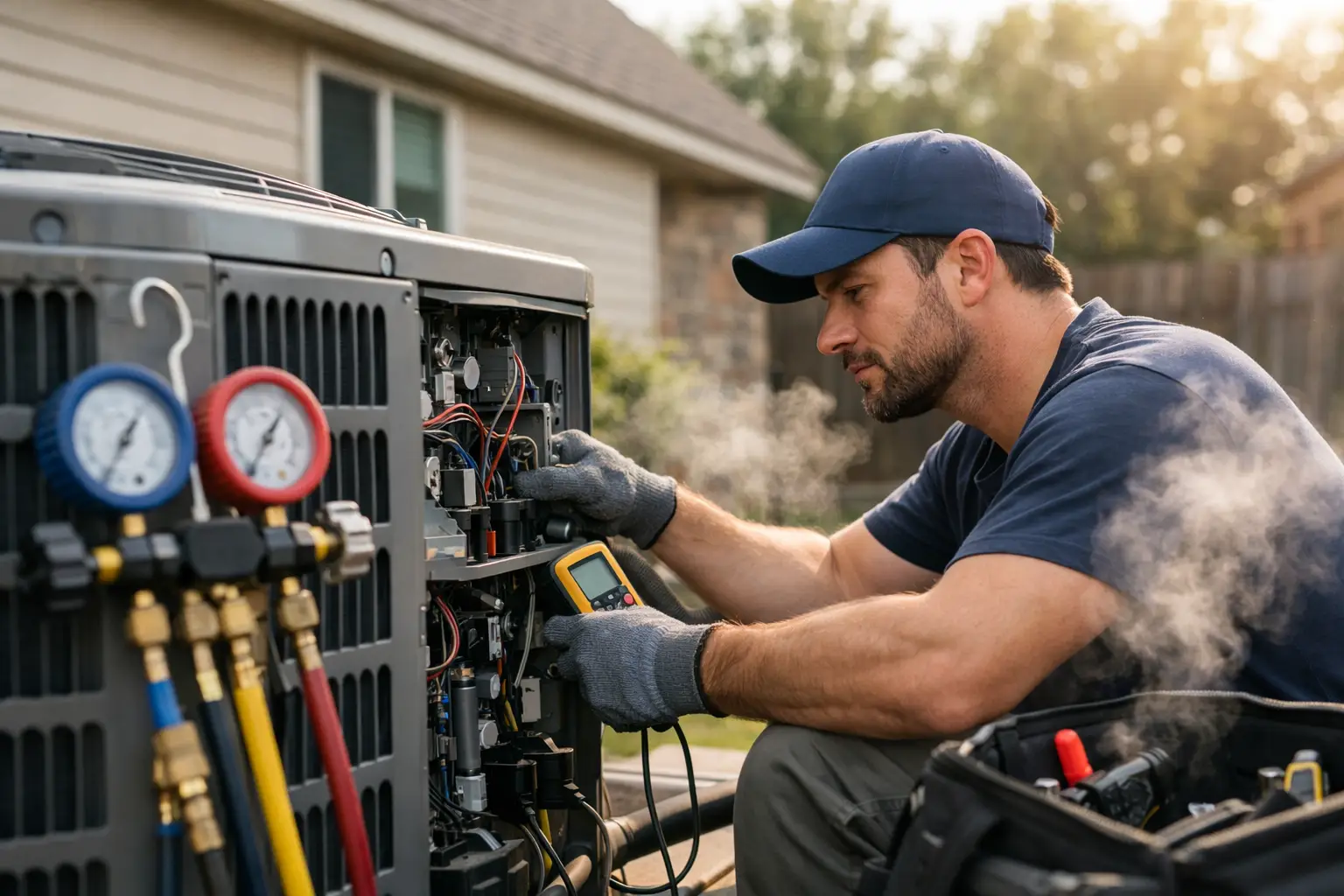
A Tomball summer can turn a minor air conditioning problem into a serious comfort issue in a matter of hours. When homeowners search for ac repair tomball tx, they usually need more than a quick guess at the problem. They need a qualified technician who can identify the cause, explain the options clearly, and restore dependable cooling without unnecessary delays.
A system that runs but does not cool, makes a new noise, leaks water, or trips a breaker is sending a message. Some issues are simple. Others can damage major components if the unit keeps operating. Knowing what to watch for helps you make a smart service decision before a hot afternoon turns into an emergency.
AC Repair Tomball TX: Signs It Is Time to Call
The most obvious sign is warm air coming from the supply vents. Before assuming the equipment has failed, check that the thermostat is set to cool, the temperature is below the current room temperature, and the air filter is not severely clogged. If those basics are in order and the air remains warm, the system may have a refrigerant issue, a failed capacitor, a compressor problem, or an electrical fault.
Weak airflow deserves attention, too. A dirty filter can restrict air movement, but so can a failing blower motor, a damaged duct, a dirty evaporator coil, or a frozen indoor coil. Closing too many supply vents can also create airflow problems. Do not keep lowering the thermostat to force better performance. That can make the system run longer without solving the underlying issue.
Strange sounds are another reason to schedule service. A rattling cabinet may be a loose panel, while squealing can point to a motor or belt issue in certain systems. Grinding, loud buzzing, or repeated clicking should not be ignored. Electrical components and motors can fail completely if a warning sound is left unaddressed.
Water near the indoor unit is common in Houston-area humidity, but it is never something to dismiss. Your AC removes moisture from the air, and that moisture should flow safely through the condensate drain. A clogged drain line, failed drain pump, or frozen coil can cause water to back up. Prompt repair can prevent ceiling damage, mold concerns, and an unexpected shutdown.
A sudden rise in utility bills is less dramatic, but it can be just as meaningful. If your normal cooling habits have not changed, a system running longer than usual may be struggling with airflow, refrigerant levels, coil cleanliness, thermostat controls, or aging parts. Repairing the cause can reduce strain on the equipment and help bring operating costs back under control.
What a Professional HVAC Diagnostic Should Include
Good AC repair starts with diagnosis, not part swapping. An experienced technician should listen to what you have noticed, inspect the equipment, test performance, and verify which component is actually causing the problem. The goal is to give you a clear answer, not leave you wondering whether the repair addressed the real issue.
A complete visit may include checking thermostat operation, electrical connections, capacitors, contactors, blower performance, refrigerant pressures, temperature split, condensate drainage, and indoor and outdoor coil condition. The exact process depends on the symptom and the type of equipment in your home or business.
For example, low refrigerant is not usually a normal maintenance need. Refrigerant operates in a closed system. If levels are low, there may be a leak that needs to be located and repaired. Simply adding refrigerant without addressing a leak can provide temporary cooling, but it may not be a lasting solution.
After the diagnosis, you should receive a straightforward explanation of the recommended repair, the expected cost, and any options worth considering. Transparent pricing matters when the AC is down because rushed decisions are easier when the scope of work is clear.
Repair Now or Plan for Replacement?
Not every breakdown means replacement is necessary. Many issues, including failed capacitors, contactors, drain line clogs, thermostat problems, and certain motor repairs, can be resolved cost-effectively. If the system is otherwise in good condition, a targeted repair may be the right call.
Replacement becomes more practical when repairs are frequent, the system is nearing the end of its expected service life, or a major component has failed. Age alone is not the only factor. A well-maintained system may still be worth repairing, while a newer unit with chronic issues may need a more careful evaluation.
Efficiency also matters. Older equipment can cost more to operate, especially during long Texas cooling seasons. A high-efficiency replacement may lower energy use and improve comfort, but the upfront investment needs to make sense for your budget, plans for the property, and the condition of the existing system. A dependable HVAC contractor should explain both paths without pressuring you toward the more expensive one.
What to Do While You Wait for AC Service
If your air conditioner is not cooling, start by protecting the equipment and your home. Turn the system off if you hear grinding, smell burning, see ice on the refrigerant line, notice significant water leakage, or experience repeated breaker trips. Continuing to run a damaged system can turn a manageable repair into a larger one.
Replace a visibly dirty filter if you have the correct size and type on hand. Then make sure the outdoor unit has room to breathe. Grass clippings, leaves, storage items, and overgrown shrubs can restrict airflow around the condenser. Do not attempt to open electrical panels, test live wiring, or add refrigerant yourself.
For a frozen indoor coil, switching the thermostat from cooling to off while setting the fan to on can help thaw the ice. Place towels around the indoor unit if water is dripping. Once the coil thaws, leave the system off until a technician can determine why it froze. The cause could be a filter, airflow issue, refrigerant problem, or mechanical failure.
If the home is becoming too warm, focus first on safety. Use ceiling fans, close blinds against direct sun, stay hydrated, and move vulnerable family members or pets to a cooler location if necessary. Emergency service is especially valuable when cooling loss affects health, young children, older adults, or a business that depends on comfortable indoor conditions.
AC Problems Affect Businesses Differently
For property managers and business owners, an AC failure can affect far more than comfort. A hot office, retail space, restaurant, or tenant area can disrupt operations, create complaints, and put equipment or inventory at risk. Rooftop units and commercial systems also have different service needs than a typical residential split system.
Fast diagnostics are critical, but so is planning. If a repair is temporary or a rooftop unit is approaching failure, a commercial client may need to weigh repair costs against replacement timing, tenant impact, equipment lead times, and operating expenses. Preventive maintenance and ongoing service agreements help identify worn electrical parts, drainage issues, airflow restrictions, and performance decline before they become a mid-season outage.
BluePeak 360 serves homeowners and commercial clients with licensed, insured HVAC service, clear recommendations, and responsive support for urgent cooling concerns.
Prevent Repairs You Can Avoid
No maintenance plan can prevent every breakdown, but regular service significantly improves the odds of a reliable cooling season. Spring is an ideal time to have the system inspected before demand rises, though it is never too late to address performance concerns.
Homeowners should replace filters on a schedule that fits their household, pets, allergies, and filter type. Keep the outdoor unit clear, pay attention to changes in sound or run time, and avoid ignoring small water leaks or thermostat inconsistencies. Professional maintenance should include more than a quick visual check. It should evaluate electrical components, drainage, airflow, coil condition, and overall cooling performance.
The best time to address an AC problem is when you first notice a change, not when the system stops on the hottest day of the year. A prompt, properly diagnosed repair protects your comfort, helps preserve the equipment, and gives you the information needed to make a confident decision for your home or business.