
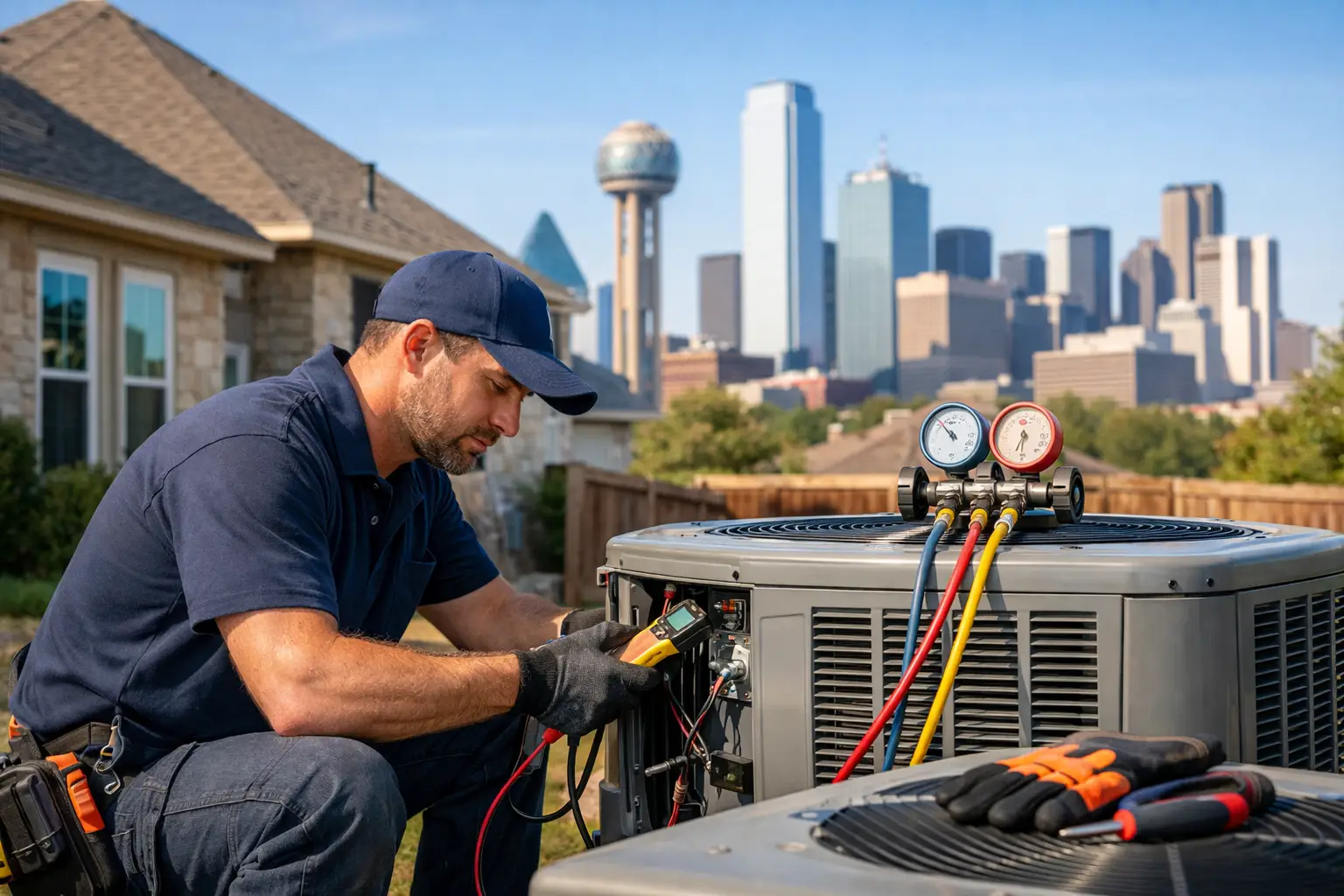
A Texas AC problem rarely waits for a convenient time. When your system is blowing warm air during a Magnolia summer afternoon, the first question is usually practical: how much does AC repair cost in Texas? Most homeowners and business owners can expect a standard repair to fall between $150 and $1,500, though the final number depends on the failed part, the equipment type, labor involved, and whether the call happens during regular hours or an emergency.
A minor electrical repair may be handled in one visit for a few hundred dollars. A compressor issue, refrigerant leak, or repair on an aging commercial rooftop unit can cost much more. The goal is not simply to find the lowest price. It is to get an accurate diagnosis, understand the options, and make a repair decision that protects comfort and your budget.
How Much Does AC Repair Cost in Texas?
For many Texas homes, a realistic AC repair range looks like this:
- Service call and diagnostic visit: $75 to $200
- Capacitor, contactor, relay, or small electrical repair: $150 to $450
- Thermostat repair or replacement: $150 to $600
- Drain line clearing, float switch, or condensate pump repair: $125 to $500
- Blower motor or fan motor repair: $400 to $1,200
- Refrigerant leak detection and repair: $300 to $1,800 or more
- Evaporator coil repair or replacement: $900 to $2,500+
- Compressor replacement: $1,500 to $4,000+
These are broad planning ranges, not a substitute for an on-site estimate. The same repair can vary significantly based on unit size, accessibility, warranty coverage, refrigerant type, and the condition of the rest of the system.
For commercial properties, costs often run higher because rooftop units and larger systems may require specialized access, heavier components, multiple technicians, or work scheduled around business operations. A property manager may also be dealing with several zones or units at once, which changes the scope of the service call.
What Drives AC Repair Costs in Texas?
The failed component matters most, but it is not the only factor. Texas heat places heavy demand on cooling equipment for much of the year. Systems that run long hours can develop problems that are related rather than isolated, such as a dirty coil contributing to high operating pressures or a clogged drain line triggering a safety shutoff.
The part that failed
Simple parts such as capacitors and contactors are usually among the least expensive repairs. They are common failure points and can often be replaced quickly once the problem is confirmed. Motors, coils, control boards, and compressors are more expensive because the parts cost more and the work takes longer.
A refrigerant issue deserves careful attention. Refrigerant does not get used up like fuel. If your AC is low, the system may have a leak. Adding refrigerant without locating the source can provide short-term cooling, but it may not solve the underlying problem. A proper recommendation should explain whether leak repair, coil replacement, or another option makes the most financial sense.
Labor, access, and timing
An air handler in a tight attic, a condenser behind dense landscaping, or a rooftop unit with limited access can add labor time. Emergency service can also affect pricing, especially after hours, on weekends, or during periods of extreme heat when technician schedules are under higher demand.
That does not mean an emergency call is the wrong choice. If indoor temperatures are rising quickly, a household includes young children or older adults, or a business cannot operate comfortably, prompt service may be the right call. Ask upfront how diagnostic fees, overtime rates, and repair approval work so there are no surprises.
Age, warranty, and refrigerant type
A unit still covered by a manufacturer parts warranty may reduce the cost of a major repair, although labor is not always included. Older systems can be harder and more expensive to repair, particularly if they use discontinued or costly refrigerant.
If your equipment is 10 to 15 years old and needs a major component, the repair decision becomes more nuanced. A $300 repair on an older system may be sensible. A $2,500 compressor or coil repair may deserve a comparison with replacement, especially if cooling performance, humidity control, or energy bills have been declining.
Common Texas AC Problems and Their Typical Price Range
Not every warm-house call means the AC has failed completely. Some of the most common problems in the Houston area are repairable before they become major expenses.
A clogged condensate drain is one example. High humidity means AC systems remove a significant amount of moisture from indoor air. When algae, debris, or buildup blocks the drain line, water can back up and a float switch may shut the system down to prevent damage. Clearing the line and addressing the cause is generally far less expensive than repairing water damage around an attic unit or ceiling.
Electrical components are another frequent issue. A weak capacitor may prevent the outdoor unit from starting properly, while a worn contactor can interrupt power to the compressor or fan. These repairs are often straightforward, but a technician should still test the system rather than replace parts based on symptoms alone.
Frozen evaporator coils, weak airflow, and warm supply vents can point to several possible causes: a dirty filter, blower issue, refrigerant leak, restricted coil, or duct problem. The price range is wide because the symptoms overlap. Accurate diagnostics are what keep a relatively simple airflow issue from being mistaken for a more expensive problem.
When Is AC Repair Worth It?
A repair is usually worth considering when the system is under 10 years old, has been maintained reasonably well, and needs a repair that is minor relative to replacement cost. Repairs are also often a good choice when the equipment is still under warranty and the rest of the system is operating efficiently.
Replacement may be the better long-term investment when repairs are recurring, the unit has a major compressor or coil failure, or the system struggles to maintain comfortable temperatures even after service. High utility bills, uneven cooling, excessive humidity, and frequent breakdowns are signs that the system may be nearing the end of its useful life.
A useful rule of thumb is to compare the repair cost with the age and condition of the equipment, not just the price of the part. Spending money to restore a dependable 7-year-old system is different from putting the same amount into a 15-year-old unit with declining efficiency and a history of repairs.
For businesses, replacement decisions should also account for downtime. A unit that repeatedly fails can affect employee comfort, customer experience, inventory conditions, and tenant satisfaction. Preventive maintenance and planned replacement often provide more control than waiting for a critical failure in peak season.
How to Avoid Surprise Repair Bills
The best way to control repair costs is to address small issues early. Change filters on schedule, keep the outdoor unit clear of grass and debris, and pay attention to changes in airflow, noise, cycling, humidity, or energy use. Those changes do not always mean a major repair is coming, but they are worth checking before the system stops on the hottest day of the year.
Seasonal maintenance is especially valuable in Texas because it gives a technician the opportunity to inspect electrical connections, drain components, refrigerant performance, coils, and overall system operation before summer demand peaks. For commercial facilities, regular maintenance can help identify concerns across multiple units and reduce unexpected operational disruptions.
When you request service, ask for a clear explanation of the diagnosis, recommended repair, parts and labor involved, and whether the repair is expected to address the full problem. Transparent pricing is not just a number on an invoice. It is knowing what is being repaired and why.
If your AC is not keeping up, do not wait for a small symptom to become a full outage. BluePeak 360 provides professional HVAC service with a personal touch for homeowners and businesses throughout the greater Houston area, with responsive diagnostics and clear repair recommendations to help you make a confident next decision.