
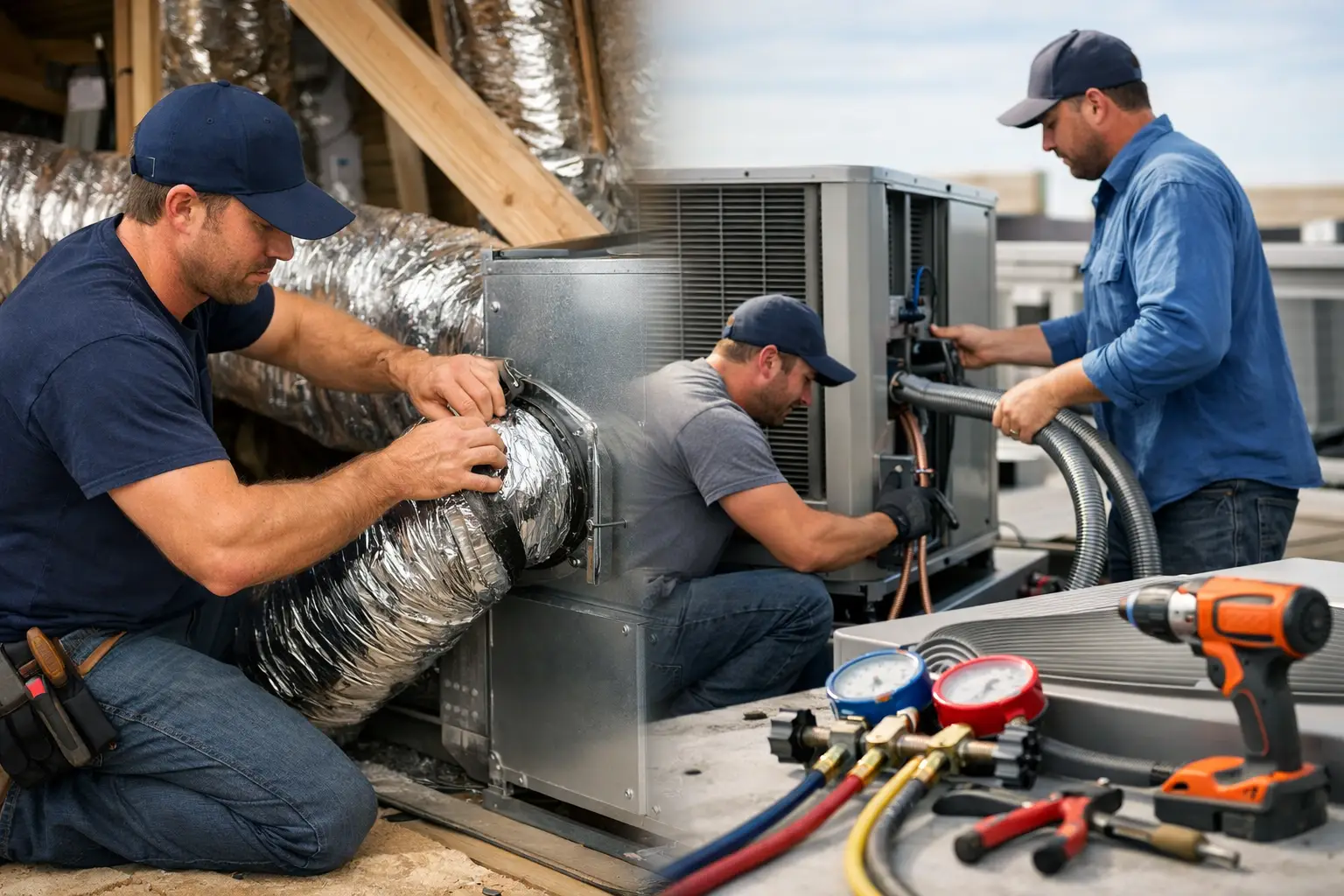
A new air conditioner or heating system is a major purchase, but the equipment itself is only part of the result. A quality HVAC installation determines whether that system cools evenly, manages humidity, operates efficiently, and holds up through demanding Texas summers. The right contractor does more than swap boxes. They assess the property, size the equipment correctly, protect the duct system, verify every connection, and test performance before the job is complete.
For homeowners, a properly installed system means dependable comfort without surprise energy bills. For property managers and commercial clients, it can mean fewer tenant complaints, less downtime, and a more predictable operating budget. Here is what a professional installation should include and how to make an informed decision before replacing your system.
HVAC Installation Starts With Proper System Sizing
The largest system is not automatically the best system. An oversized air conditioner may cool a space quickly but shut off before it removes enough humidity. The result can be a home that feels cool but clammy, uneven temperatures between rooms, and unnecessary wear from frequent starts and stops.
An undersized system has the opposite problem. It may run for long periods without reaching the set temperature during the hottest part of the day. That puts pressure on equipment, raises utility costs, and leaves occupants uncomfortable when they need cooling most.
Proper sizing should account for more than square footage. A technician should consider insulation levels, window placement, ceiling height, sun exposure, duct condition, number of occupants, heat-producing appliances, and the layout of the building. In the Houston area, humidity and long cooling seasons make this step especially important.
For commercial spaces, load calculations also need to reflect business use. A restaurant, office, retail store, warehouse, and medical suite can have very different cooling requirements even when the buildings are similar in size. Equipment selection should match how the space is actually used, not rely on a rough estimate.
What a Professional HVAC Installation Includes
A dependable installation is a process, not a delivery appointment. Before work begins, you should receive a clear recommendation that explains the equipment being proposed, the expected scope of work, and the pricing. If an existing system has failed, the contractor should also identify whether ductwork, electrical components, drainage, ventilation, or thermostats need attention before new equipment goes in.
During the installation, technicians should safely remove or disconnect the old equipment and inspect the area around the new system. Indoor and outdoor units must be positioned, leveled, secured, and connected according to manufacturer requirements and applicable codes. Refrigerant lines need correct sizing and insulation. Electrical connections need proper protection. The condensate drain must be installed to carry moisture away reliably, because a poorly managed drain can lead to leaks, water damage, or system shutdowns.
The duct system deserves close attention as well. Leaky, crushed, undersized, or poorly connected ducts can waste a significant portion of the cooling your new unit produces. Depending on the condition of the system, a contractor may recommend duct sealing, repairs, resizing, or replacement. This can add to the initial project cost, but ignoring duct problems can limit the value of high-efficiency equipment.
Once the physical work is complete, the system should be started, tested, and adjusted. This includes checking airflow, temperature change, refrigerant operation, electrical readings, safety controls, thermostat communication, and drainage. A professional should also explain how to use the thermostat, when to change filters, and what routine maintenance will help protect the investment.
Choosing Equipment That Fits Your Priorities
Efficiency ratings matter, but they are not the only factor in choosing a new HVAC system. Higher-efficiency equipment can lower energy use and may provide better humidity control, quieter operation, or more precise temperature management. However, the best choice depends on the property, budget, insulation, duct design, and how long you expect to own the building.
A standard single-stage system can be a practical option for some homes and rental properties. It has a lower upfront cost and can provide reliable cooling when installed correctly. Two-stage and variable-speed systems cost more initially, but they can run at lower output for longer periods, which often improves comfort and moisture removal. They may be a strong fit for households that prioritize quieter operation and more consistent temperatures.
For businesses, rooftop units and split systems need to be evaluated for service access, ventilation needs, zoning, occupancy patterns, and operating hours. The lowest equipment price is not always the lowest long-term cost. A unit that is difficult to service or poorly matched to the building can create avoidable repair and energy expenses later.
Ask your contractor to explain the trade-offs in plain language. You should understand what you gain from each option, what the installation includes, and whether any recommended upgrades are necessary for performance or simply optional improvements.
Signs It May Be Time for Replacement
Not every HVAC problem calls for a full replacement. A targeted repair is often the right move when a system is relatively new, the issue is isolated, and performance has otherwise been reliable. But repeated breakdowns can become expensive and disruptive, especially during peak cooling season.
Replacement is worth discussing when the system is 10 to 15 years old, requires frequent repairs, uses an older refrigerant, struggles to cool consistently, or causes utility bills to climb without a clear explanation. Excessive noise, persistent humidity, hot and cold spots, and poor indoor air quality can also point to a system or ductwork problem that deserves a full evaluation.
For commercial property managers, replacement planning is often better than waiting for an emergency failure. Scheduling an installation before a rooftop unit fails can reduce disruption to tenants, employees, customers, and operations. It also gives you more time to compare equipment options and coordinate access to the site.
Questions to Ask Before You Approve the Work
A trustworthy contractor should welcome direct questions. Start by asking how the system size was determined and whether the existing ductwork was inspected. Ask what is included in the quoted price, including equipment removal, permits when required, electrical work, thermostat setup, drain modifications, startup testing, and warranty registration.
It is also reasonable to ask about the labor warranty, the manufacturer warranty, maintenance requirements, expected installation timeline, and any conditions that could change the scope. Transparent pricing does not mean every project has the same cost. It means you know what you are paying for and why.
Make sure the company is licensed and insured, and confirm that the technicians have experience with the equipment type being installed. For commercial projects, ask how the contractor will manage safety, tenant access, scheduling, and continuity of operations. Clear communication before work starts helps prevent confusion on installation day.
Protect Your New System After Installation
Even the best equipment needs routine care. Replace or clean filters on schedule, keep the outdoor unit free of leaves and debris, and avoid blocking supply or return vents with furniture. Small habits help preserve airflow and reduce strain on the system.
Professional preventive maintenance is equally valuable. Seasonal service allows technicians to inspect electrical components, clean critical areas, check refrigerant operation, test drainage, and spot minor issues before they become an urgent repair. Commercial systems may need a maintenance schedule tailored to their runtime, occupancy, and equipment type.
A new system should feel like a solution, not another source of uncertainty. When you are ready to discuss replacement options, BluePeak 360 can provide a clear assessment, professional HVAC service with a personal touch, and an installation plan built around your comfort, property, and budget.